Understanding the Basics of Baking
Baking is an art that combines science and creativity, resulting in delicious treats that can be enjoyed by everyone. Whether you're a novice or a seasoned baker, understanding the fundamentals of baking is essential for success in the kitchen. From mastering basic techniques to choosing the right ingredients, each element plays a crucial role in the final outcome. On your baking journey, you might find that resources like www.torinobaking.com offer valuable insights and recipes to enhance your skills.
What is Baking Science?
Baking science refers to the chemical reactions that occur when ingredients are combined and subjected to heat. Understanding these processes allows bakers to troubleshoot issues and improve their recipes. For example, knowing how yeast ferments sugar to produce carbon dioxide is essential for making light, airy bread. Similarly, recognizing the role of gluten in providing structure can make a significant difference in the texture of baked goods.
Key Ingredients and Their Functions
- Flour: This is the backbone of most baked goods, providing structure through gluten formation.
- Sugar: Not only does sugar add sweetness, but it also influences browning and texture.
- Fats: Ingredients like butter or oil add richness and tenderness, helping to create a desirable mouthfeel.
- Leavening Agents: Baking powder and baking soda are crucial for adding volume and lightness to baked goods.
- Eggs: Eggs contribute to structure, color, and flavor, while also providing moisture.
Essential Baking Tools Every Baker Needs
Having the right tools can make a world of difference in baking. Here are some must-have items for any baker:
- Mixing Bowls: A set of mixing bowls in various sizes is essential for combining ingredients.
- Measuring Cups and Spoons: Accurate measurements are key to successful baking.
- Whisk: A whisk is perfect for blending dry ingredients and aerating batter.
- Spatula: Use a spatula for scraping bowls and folding ingredients.
- Oven Thermometer: Ensures your oven's temperature is accurate, which is vital for baking success.
Mastering Key Baking Techniques
To become a skilled baker, you must master several key techniques that are the foundation of successful baking. These techniques will help you create baked goods that not only taste good but also have the right texture and appearance.
Techniques for Perfect Dough Preparation
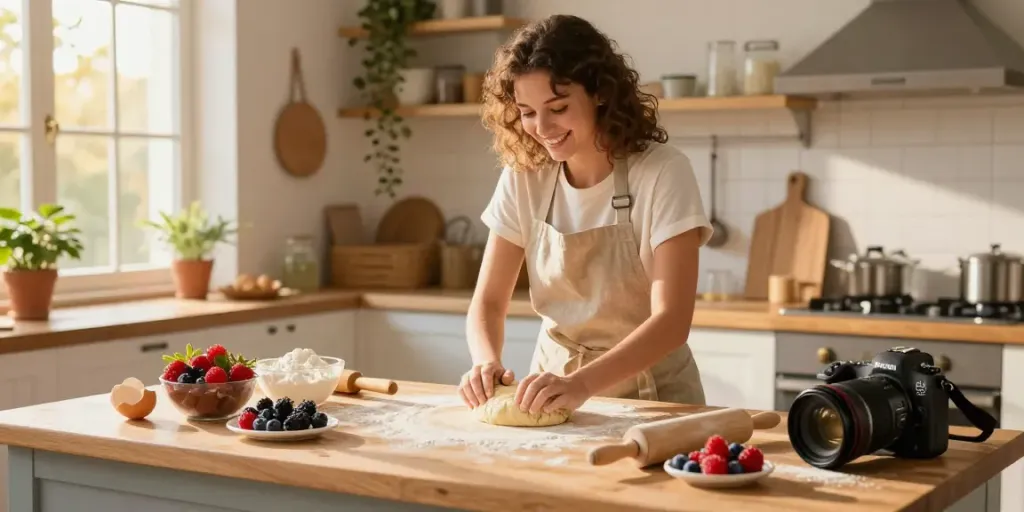
Preparing dough correctly is crucial for any type of baked good, whether it's bread, pastries, or cookies. The process often involves mixing, kneading, and allowing the dough to rest. For bread, kneading activates gluten, which is essential for the bread's structure. Each recipe may have unique instructions, but the basics remain the same.
Understanding Leavening Agents and Their Roles
Leavening agents are what make baked goods rise and become light and fluffy. Understanding how to use them effectively is crucial. Baking powder, baking soda, and yeast each have different chemical properties and should be used accordingly. For instance, yeast requires time to ferment, whereas baking powder can work almost immediately.
Temperature Control: The Key to Success
Temperature is critical in baking. Not only does the oven need to be at the correct temperature, but the ingredients often should be at room temperature as well. This helps ensure even mixing and proper rising. Using a thermometer to check your oven's accuracy can prevent common baking mishaps.
Exploring Baking Recipes at www.torinobaking.com
Exploring a variety of recipes can broaden your baking repertoire and help you discover new favorites. Websites like www.torinobaking.com provide a wealth of options, from traditional to contemporary recipes that cater to all skill levels.
Classic Recipes Everyone Should Try
Classic recipes such as chocolate chip cookies, banana bread, and traditional sourdough bread are essential for any baker’s collection. These recipes are not only delicious but also serve as excellent learning tools that can help you understand the principles of baking better.
Innovative Baking Trends for 2026
As the baking world evolves, new trends emerge. In 2026, we see a rise in alternative flours, such as almond and chickpea flour, which cater to health-conscious consumers and those with dietary restrictions. Additionally, flavors like floral and herbal are becoming popular in baked goods, adding unique twists to traditional recipes.
Easy Recipes for Beginner Bakers
For new bakers, starting with simple recipes that require minimal ingredients and steps can build confidence. Muffins, basic cookies, and no-knead bread are perfect entry points. These recipes are typically forgiving and allow you to practice essential techniques without overwhelming complexity.
Troubleshooting Common Baking Issues
Even experienced bakers encounter problems from time to time. Knowing how to troubleshoot common baking issues can save you from disappointment and help you improve your skills.
Common Baking Mistakes to Avoid
There are several common pitfalls in baking. Overmixing batter can lead to tough baked goods, while underbaking can result in a gooey texture. Understanding how to avoid these mistakes requires practice and patience.
How to Fix Overly Dry or Wet Dough
Sometimes, dough can end up too dry or too wet. In the case of dry dough, adding a little liquid can help, while wet dough can usually be salvaged by incorporating a bit more flour. Adjusting the moisture levels is crucial for the right texture.
Dealing with Stubborn Oven Settings
If your oven has hot spots or fluctuates in temperature, it can affect your baking results. Using baking stones or adjusting the rack position can help mitigate these issues. Regularly checking your oven's accuracy through a thermometer is a good practice.
Future of Baking: Trends to Watch in 2026
The baking industry is continuously changing, with new trends and practices emerging. Staying informed about these changes can enhance your baking experience and keep your skills sharp.
Emerging Ingredients and Their Benefits
New ingredients are being introduced that offer unique flavors and health benefits. For instance, using superfoods like spirulina in baked goods not only adds color but also boosts nutritional value. Likewise, natural sweeteners like monk fruit are gaining popularity as healthier alternatives to sugar.
Technology in Modern Baking
Advancements in technology are also impacting baking. Smart ovens that can be programmed via apps and baking gadgets like digital scales have made home baking more accurate and easier than ever before. These technologies allow bakers to experiment with precision and confidence.
Health-Conscious Baking Practices
With an increasing focus on health, many bakers are looking to create lighter, more nutritious versions of their favorite treats. This includes reducing sugar, using whole grains, and incorporating fruits and vegetables into recipes.
What are the key baking trends in 2026?
Key trends include the use of alternative flours, innovative flavors, and a focus on health-conscious baking. These changes reflect evolving consumer preferences and a growing awareness of nutrition and wellness.
How can I troubleshoot common baking problems?
Familiarizing yourself with common baking mistakes and knowing how to fix them can improve your success. Regular practice and learning from each experience is essential.
What are essential tools for baking?
Key tools include mixing bowls, measuring devices, and high-quality bakeware. Investing in the right equipment makes a significant difference in your baking outcomes.
What ingredients are crucial in baking?
The main ingredients include flour, sugar, fats, eggs, and leavening agents. Each plays a unique role in the final product's taste and texture.
How can I bake healthier desserts?
Consider reducing sugar, using whole grain flours, and incorporating fruits and nuts to enhance nutrition. Experimenting with different ingredients can lead to delicious and healthier baked goods.